.png)
What Are EPR Credits and How to Buy Them in India? (Complete Guide)
- ReEarthify Solutions

- Jan 14
- 2 min read
Introduction: Understanding EPR Credits
As EPR compliance becomes mandatory across India, many brands ask one key question:
“How do we fulfil our EPR obligation if we don’t recycle plastic ourselves?”
The answer lies in EPR credits.
EPR credits provide a legal, scalable, and CPCB-approved way for brands to meet plastic waste management targets.
This guide explains what EPR credits are, how they work, how to buy them safely, and how to avoid compliance risks.
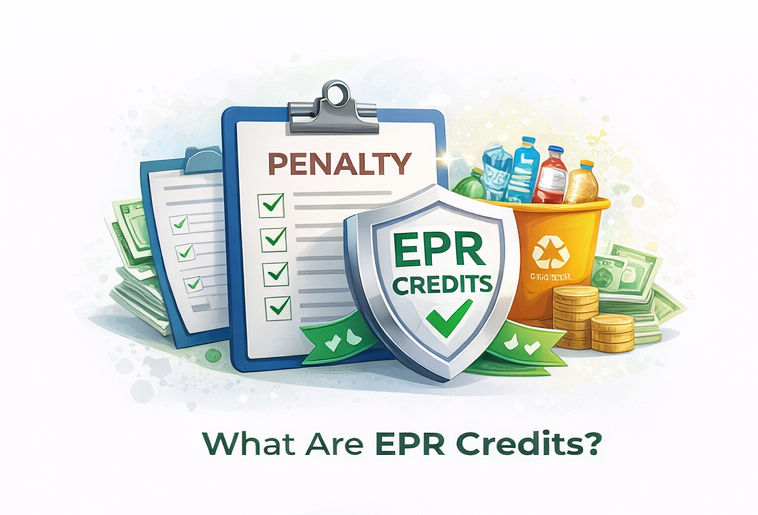
What Are EPR Credits?
EPR credits are certificates issued against the verified recycling or processing of plastic waste by authorized recyclers.
Each credit represents a specific quantity and type of plastic waste recycled in accordance with CPCB guidelines.
Brands can purchase these credits to offset their EPR targets.
Why Were EPR Credits Introduced?
India generates millions of tonnes of plastic waste annually. Not every brand can build its own recycling infrastructure.
EPR credits allow:
Centralized waste processing
Verified environmental impact
Easier compliance for businesses
Better tracking and accountability

How Do EPR Credits Work?
Authorized recyclers recycle plastic waste
Recycling data is verified on CPCB portal
EPR credits are generated digitally
Credits are transferred to brands
Brands upload credits to meet EPR targets
All transactions must be traceable and documented.
Types of EPR Credits in India
EPR credits vary based on:
Plastic type (rigid, flexible, MLP)
Recycling method
Quantity (in metric tonnes)
Different plastic categories cannot be interchanged, making correct credit mapping essential.
Who Can Buy EPR Credits?
EPR credits can be purchased by:
Producers
Importers
Brand owners
E-commerce companies
Only entities registered on the CPCB EPR portal are eligible.

How to Buy EPR Credits in India (Safely)
Step 1: Confirm Your EPR Target
Understand your plastic type and quantity obligations.
Step 2: Choose Authorized Partners
Always work with CPCB-approved recyclers or compliance partners.
Step 3: Verify Credit Authenticity
Ensure credits are:
Digitally traceable
Linked to CPCB portal
Backed by proper documentation
Step 4: Upload & Report
Credits must be uploaded correctly to fulfil compliance.
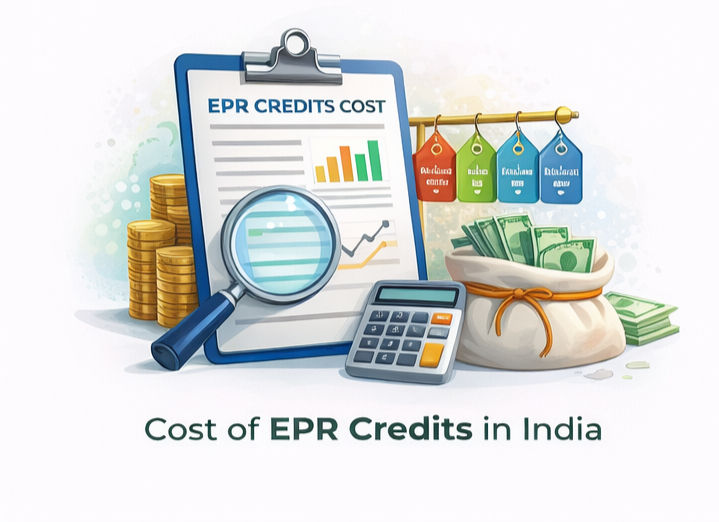
Cost of EPR Credits in India
The cost of EPR credits depends on:
Plastic category
Market demand & availability
Quantity required
Compliance timelines
Prices fluctuate, which is why early planning is recommended.
Risks of Buying Fake or Unverified EPR Credits
Buying cheap or unverified credits can lead to:
Compliance rejection
Penalties from CPCB
Blacklisting of recyclers
Legal complications
Always prioritize compliance over cost.
Why Brands Prefer EPR Compliance Partners
An experienced EPR partner:
Ensures verified credit sourcing
Handles documentation & reporting
Provides audit support
Reduces legal risks
Saves time & internal resources
How ReEarthify Helps With EPR Credits
ReEarthify offers:
Verified EPR credits
CPCB-aligned documentation
Transparent pricing
End-to-end compliance support
Long-term EPR planning
Our focus is trust, traceability, and compliance security.
EPR credits are the backbone of plastic waste compliance in India. When sourced correctly, they provide a legal and effective way to meet obligations and contribute to sustainable waste management.
The key is choosing the right partner and ensuring complete transparency.
Looking to buy verified EPR credits? Talk to ReEarthify today.


Comments