.png)
Plastic EPR Compliance in India: A Complete Guide for Brands, Importers & Producers
- ReEarthify Solutions

- Jan 14
- 3 min read
Introduction: Why EPR Compliance Matters in India
Extended Producer Responsibility (EPR) has become one of the most critical environmental compliance requirements for businesses operating in India. With increasing plastic waste generation and strict regulatory oversight by the Central Pollution Control Board (CPCB), EPR compliance is no longer optional—it is mandatory.
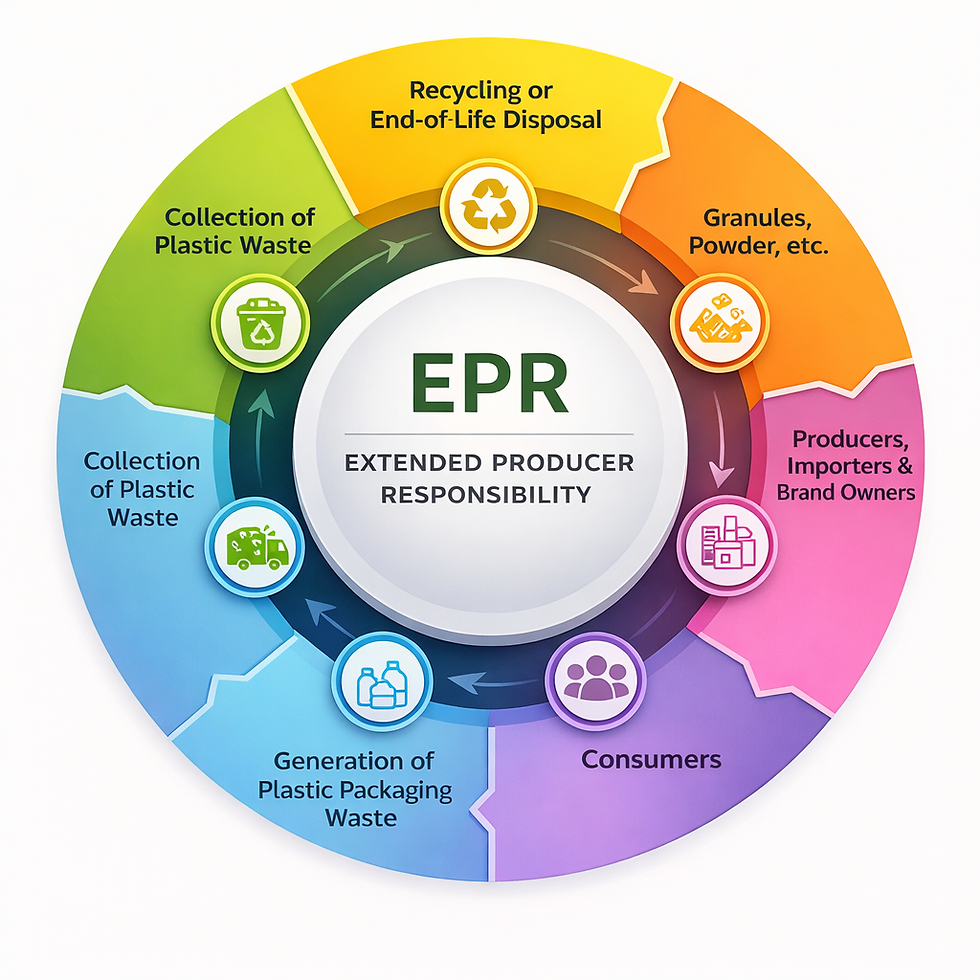
Whether you are a producer, importer, brand owner, or e-commerce seller dealing with plastic packaging, understanding EPR compliance in India is essential to avoid penalties, ensure business continuity, and demonstrate environmental responsibility.
This guide explains what EPR compliance is, who needs it, how it works, and how brands can stay compliant under India’s Plastic Waste Management Rules.
What Is EPR Compliance?
Extended Producer Responsibility (EPR) is a policy framework under India’s Plastic Waste Management Rules that places the responsibility of plastic waste management on the entities that introduce plastic into the market.
In simple terms, brands must ensure that the plastic they generate is collected, recycled, or processed responsibly.
EPR compliance involves:
Registration on the CPCB EPR portal
Meeting annual plastic waste recycling targets
Procuring verified EPR credits
Submitting regular compliance reports
Who Needs EPR Registration in India?
EPR registration is mandatory for PIBOs, which include:
✔ Producers
Manufacturers of plastic packaging or plastic raw material.
✔ Importers
Entities importing plastic packaging or plastic-packaged goods into India.
✔ Brand Owners
Companies selling products under their own brand name using plastic packaging.
✔ E-commerce & Online Sellers
Platforms and sellers using plastic packaging for delivery.
If your business introduces plastic into the Indian market in any form, you are legally required to comply with EPR regulations.
Types of Plastic Covered Under EPR

EPR compliance applies to multiple plastic categories, including:
Rigid plastics (HDPE, PP, PET)
Flexible plastics (multi-layered packaging)
Plastic sheets, films, wrappers
Composite and multi-material packaging
Each plastic type has separate recycling targets and compliance requirements, making expert support crucial.
CPCB EPR Registration Process (Step-by-Step)
Step 1: Registration on CPCB Portal
Brands must register on the CPCB EPR online portal and declare plastic quantities introduced into the market.
Step 2: Annual Target Allocation
Based on sales data, CPCB assigns plastic waste management targets to each registered entity.
Step 3: Fulfilment Through Recycling or EPR Credits
Brands can:
Set up their own recycling system, or
Partner with authorized recyclers and purchase EPR credits
Step 4: Documentation & Reporting
All transactions, credits, and recycling data must be uploaded on the CPCB portal.
Step 5: Verification & Compliance Approval
CPCB verifies records and confirms compliance status.
What Are EPR Credits and Why Are They Important?
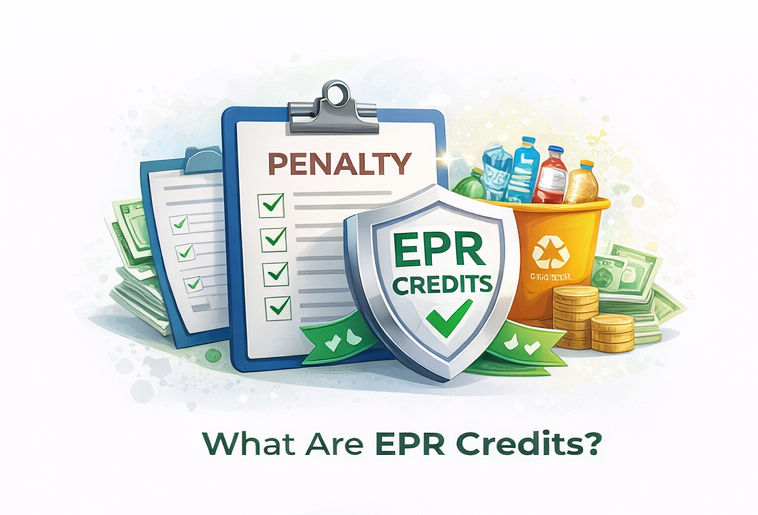
EPR credits are digital certificates generated against verified recycling or processing of plastic waste.
They allow brands to:
Fulfil EPR obligations without owning recycling infrastructure
Meet compliance targets legally
Avoid penalties and notices
Buying verified EPR credits from trusted partners is the most common and scalable compliance method for brands.

Penalties for Non-Compliance
Failure to comply with EPR regulations can result in:
Environmental compensation charges
Suspension of EPR registration
Legal notices from CPCB/SPCB
Restrictions on business operations
Non-compliance can also impact brand reputation and investor confidence.
Common EPR Compliance Mistakes Brands Make
Buying unverified or fake EPR credits
Incorrect plastic quantity declarations
Missing reporting deadlines
Lack of traceability and audit readiness
Relying on non-authorized recyclers
These mistakes often lead to compliance rejection or penalties.
Why Work With an EPR Consultant?
EPR regulations are technical and frequently updated. An experienced EPR compliance consultant helps brands:
Interpret CPCB rules correctly
Source verified EPR credits
Manage documentation & reporting
Ensure audit-ready compliance
Avoid long-term regulatory risks
How ReEarthify Supports EPR Compliance
At ReEarthify, we provide end-to-end EPR compliance solutions, including:
CPCB EPR registration support
Verified EPR credit sourcing
Plastic waste traceability
Documentation & reporting
Long-term compliance strategy
Our approach focuses on transparency, legal compliance, and real environmental impact.
EPR compliance in India is not just a regulatory requirement—it is a responsibility towards sustainable waste management. Brands that act early, choose the right partners, and follow compliant processes can avoid risks and build credibility.
If your business deals with plastic packaging, now is the time to act.
Need help with EPR compliance? Contact ReEarthify today.

Comments